Project Sandstone Counter-UAS · Software-defined radar Built in San Diego

See every drone. Pay for the node, not the program.

Sandstone is a software-defined radar built on a custom monolithic RF system. Each node is complete on its own. Put several in the field and they form one distributed array, cheap enough to cover the whole perimeter.

<$2K

Target cost per node. The Army pays about $1.04M for each AN/MPQ-64 Sentinel.

1 chip

Direct-RF data converters samples signals, forms beams, and runs processing on the same device.

3 modes

Radar, SDR and electronic warfare share one board. Firmware picks the mission.

The legacy radar wasn't built for this.

The AN/MPQ-64 Sentinel is the Army's standard short-range air-defense radar. It was designed in the 1990s to find aircraft and cruise missiles, and it does that job well.

Small drones fly low and slow, have tiny radar cross sections, and show up in dozens. That takes a different radar at a different price.

Spec sheet AN/MPQ-64 SentinelLegacy · first built 1995 Sandstone nodeAmhara · Custom hardware
Unit cost $1.04M50 A3 radars for $51.9M, Army contract, Jan 2019 <$2KPer-node production cost target
Built to find Aircraft, helicopters and cruise missiles Group 1–3 drones: low, slow, small RCS
Small drones in clutter The Army needed a new AESA version, the A4 ($213M contract, Mar 2025), to track small UAS at low altitude in clutter Designed for it from the start, with micro-Doppler to separate rotors from birds
Footprint 2.5-ton trailer with its own generator, towed by an FMTV truck Smaller and lighter than a water bottle for hiking, consuming less than 100 W.
What $1.04M buys 1 radarOne site, one point of failure 519 nodesA mesh with no single point of failure

Meanwhile, the drones keep coming.

U.S. installations · 2023–2025
17

Nights that dozens of drones flew over Langley AFB in December 2023. The Air Force moved F-22s to another base.

350+

Drone detections at 100 U.S. military installations in a single year, per DoD testimony in April 2025.

$22B : $1B

Fighter jets vs. drone and counter-drone technology in the last budget, per Rep. Michael Cloud.

The technology commanders have to track drones over their installations “is not sufficient.” Rear Adm. Paul Spedero, Joint Staff · April 2025

Sources: Military Aerospace (Sentinel A3 contract) · AN/MPQ-64 overview · Defence Industry Europe (A4 contract) · CBS 60 Minutes (Langley) · Air & Space Forces (testimony)

One sensor. Three jobs.

Small drones are cheap, low, slow and everywhere. Sandstone is priced so you can deploy it as widely as they fly, and it can do more than detection.

Mission 01 · Counter-UAS

Detect and track small drones

Coherent processing finds low, slow, small targets in ground clutter. Spinning rotors smear energy across Doppler at the target's range. Birds don't. That's how Sandstone tells them apart.

  • Range–Doppler processing per coherent dwell
  • Rotor micro-Doppler classification
  • Multi-target tracking across nodes
Range–Doppler Simulation · not measured data
Target sUAS · quad Range 1.80 km Vr −8.0 m/s RCS est. 0.01 m²
Mission 02 · Environmental sensing

Read the atmosphere it shoots through

Over water, an evaporation duct forms in the lowest tens of meters. It traps radar energy, extends range for some targets, and creates holes for others. The duct changes by the hour. Sandstone estimates it from its own returns and adjusts detection to match.

  • Duct height estimated from sea clutter
  • Propagation-aware detection thresholds
  • Built on published phased-array atmospheric work
Modified refractivity · evaporation duct Simulation · not measured data
Duct height 13.0 m Node antenna 4 m State In duct · trapped
Mission 03 · Integration

Plug tracks into your autonomy stack

Each node sees a slice of the sky. The mesh fuses them into one track and hands it to whatever C2 or autonomy stack you already run. Lose a node and the track holds.

  • Mesh-networked nodes, no single point of failure
  • Track output over open interfaces
  • Cues effectors and EO/IR in the same kill chain
Node mesh Simulation · not measured data
Track TRK 04 · fused Seen by 2 / 4 Pos +0.00, +0.00 km

Monolithic node. Distributed array.

Every Sandstone node is the same hardware stack. The front-end and firmware change, the core does not. That keeps the price per node low and lets the product line grow without a redesign.

Mission firmware

Choose radar, SDR or EW in firmware. The field unit stays the same.

RadarSDREW
Signal processing

Digital beamforming, pulse compression, Doppler processing and tracking on the device.

DBFMicro-Doppler
Data subsystem

Direct-RF data converters, signal shaping via both analog and digital techniques, FPGAs and embedded compute.

Direct RF sampling
RF front-end card

Swappable daughtercards change band and aperture without touching the core board.

SwappableMulti-band
Mesh

Nodes share timing and data to act as one coherent, distributed aperture.

Distributed aperture

Cost is the capability.

Cheap drones win when defending against them is expensive. For the price of one Sentinel, you get 519 Sandstone nodes: a perimeter instead of a single point.

1AN/MPQ-64 Sentinel
$1.04M
519Sandstone nodes

Same money. Each red square is one node at the $2K target.

$1,038,000 ÷ $2,000 = 519

Areas are drawn to scale by cost. Sentinel: $51.9M for 50 A3 radars (Army, 2019). Sandstone: per-node production cost target.

Put Sandstone on your range.

We're looking for test partners, integrators and prime teammates for counter-UAS and base-defense programs.

TeamTwo founders · Flight-proven hardware

We've built hardware that left the planet.

Our story

Pranav and Tim started building hardware together in high school and never stopped. Since then we've worked with an array of people, from university labs and government research labs to student flight programs, on systems that had to work outside the lab.

Tim architected the systems of a CubeSat mission and build numerous electronics designs. Pranav has worked on phased arrays and atmospheric propagation at government labs. Amhara is how we build that kind of hardware at the cost counter-UAS requires.

Flight heritage

Designed on the bench. Proven in orbit.

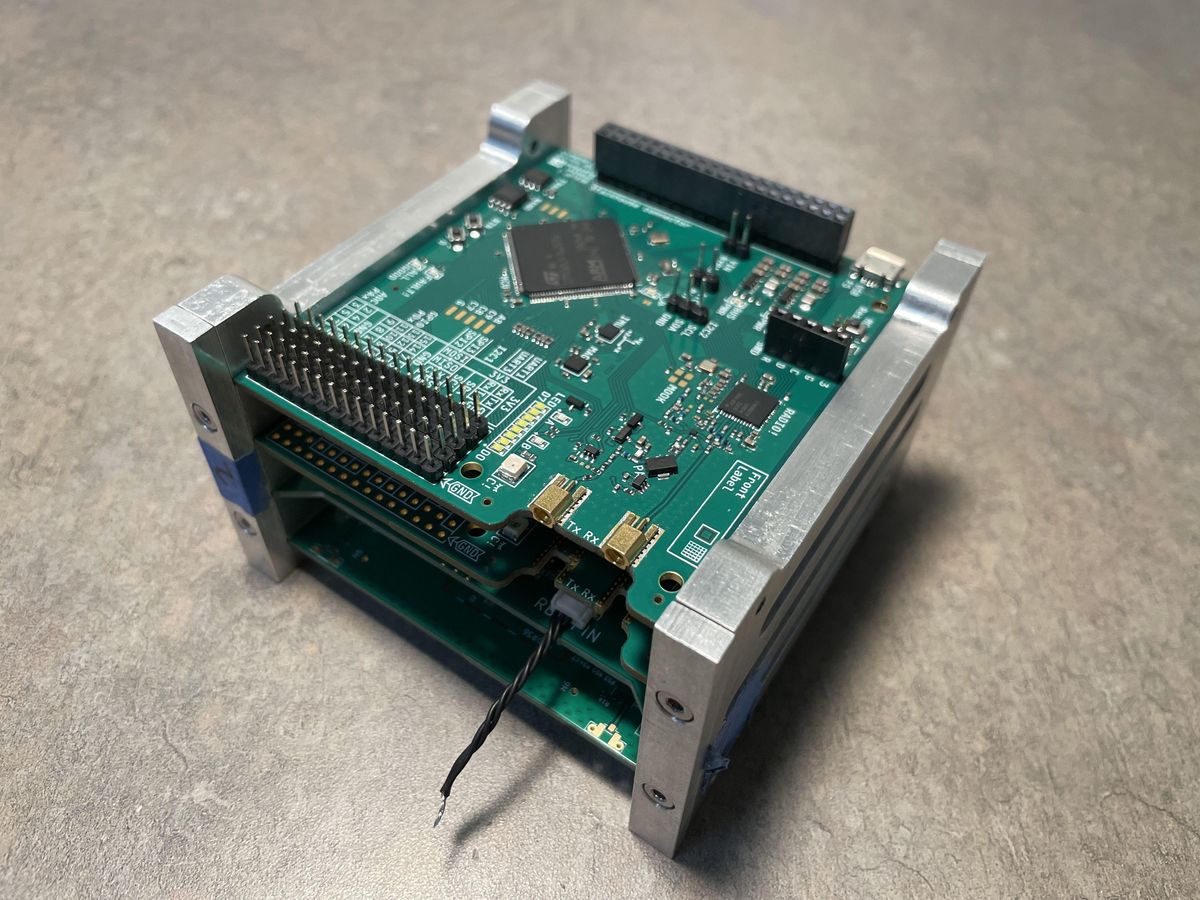
Tim's satellite board survives launch, vacuum and thermal cycling, then works in orbit where nobody could fix it. We design Sandstone nodes to the same standard.

Board
Orbital Platform R3
Mission
UC Davis REALOP-1
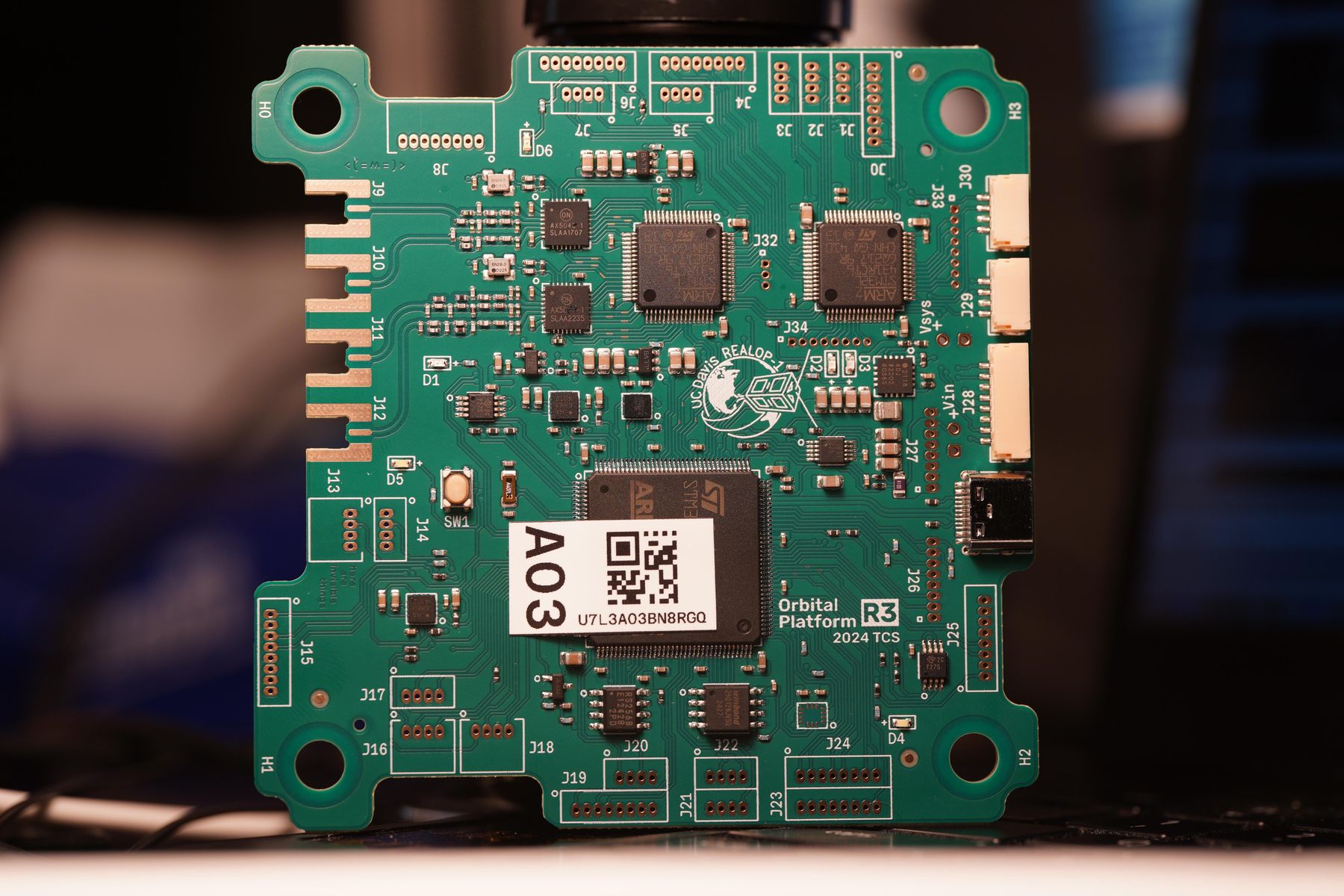
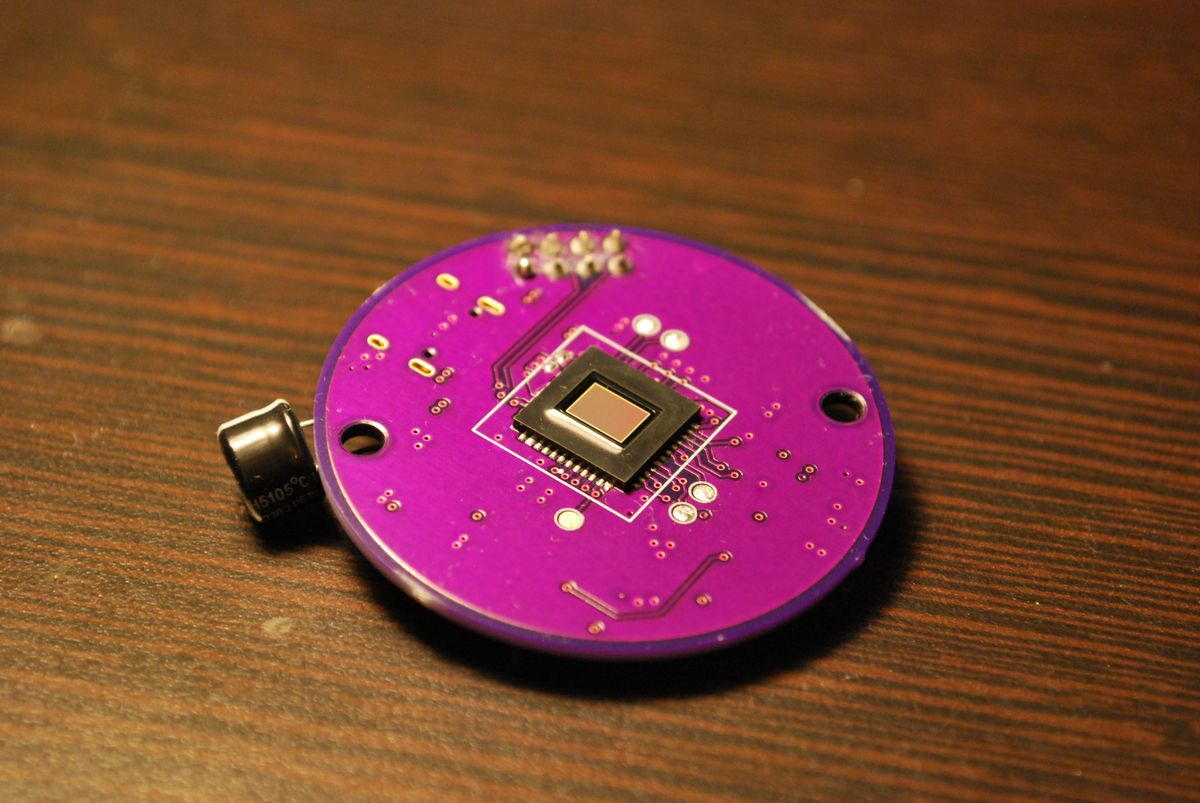
Orbital Platform R3 flight board, serial A03, with UC Davis REALOP-1 silkscreen

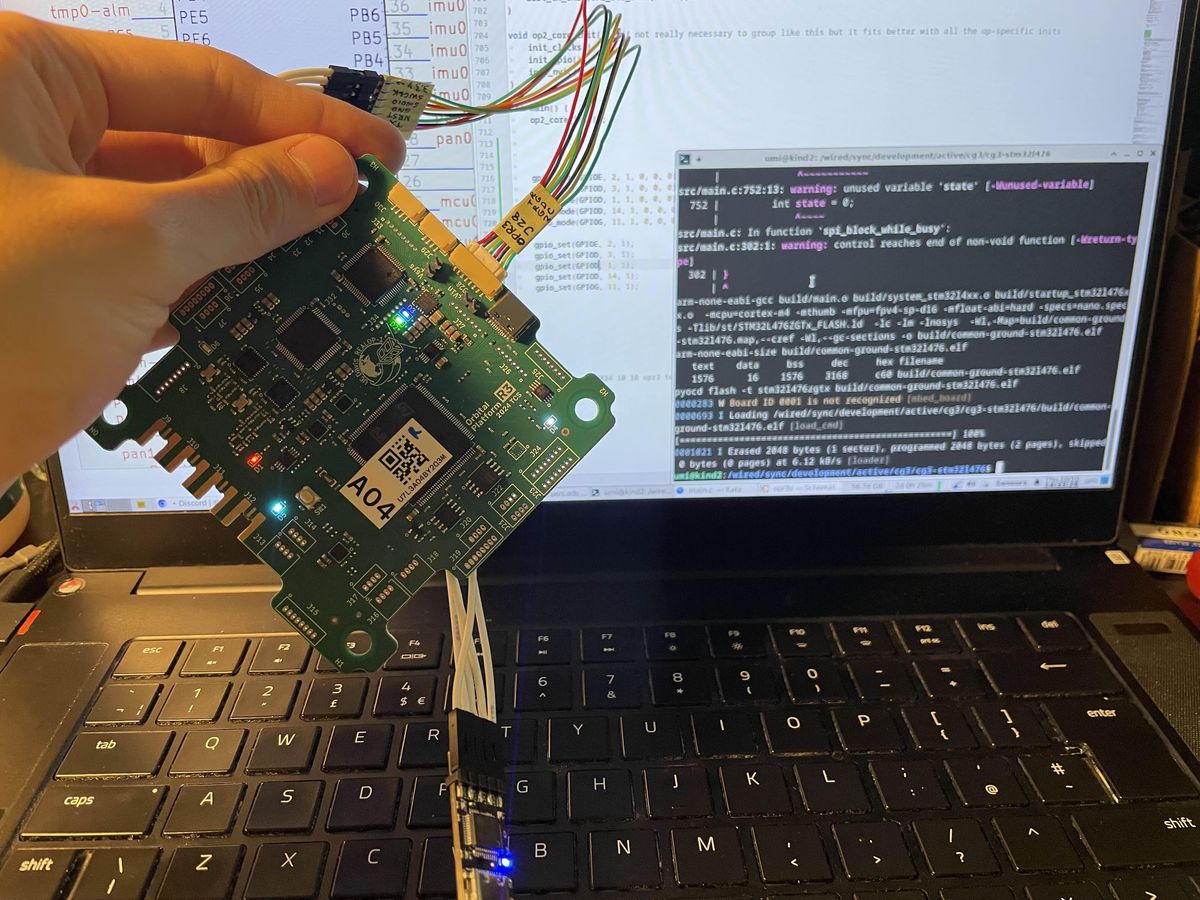
Built by hand. Tested on the bench.

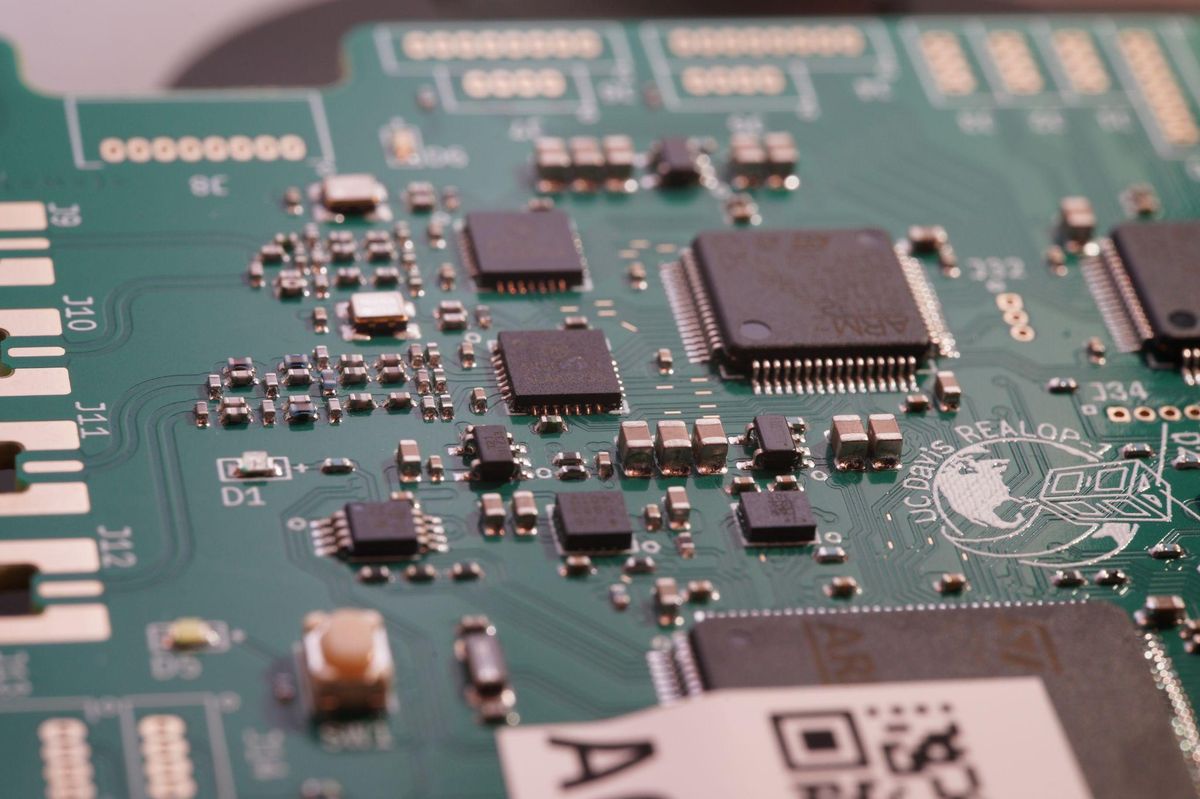
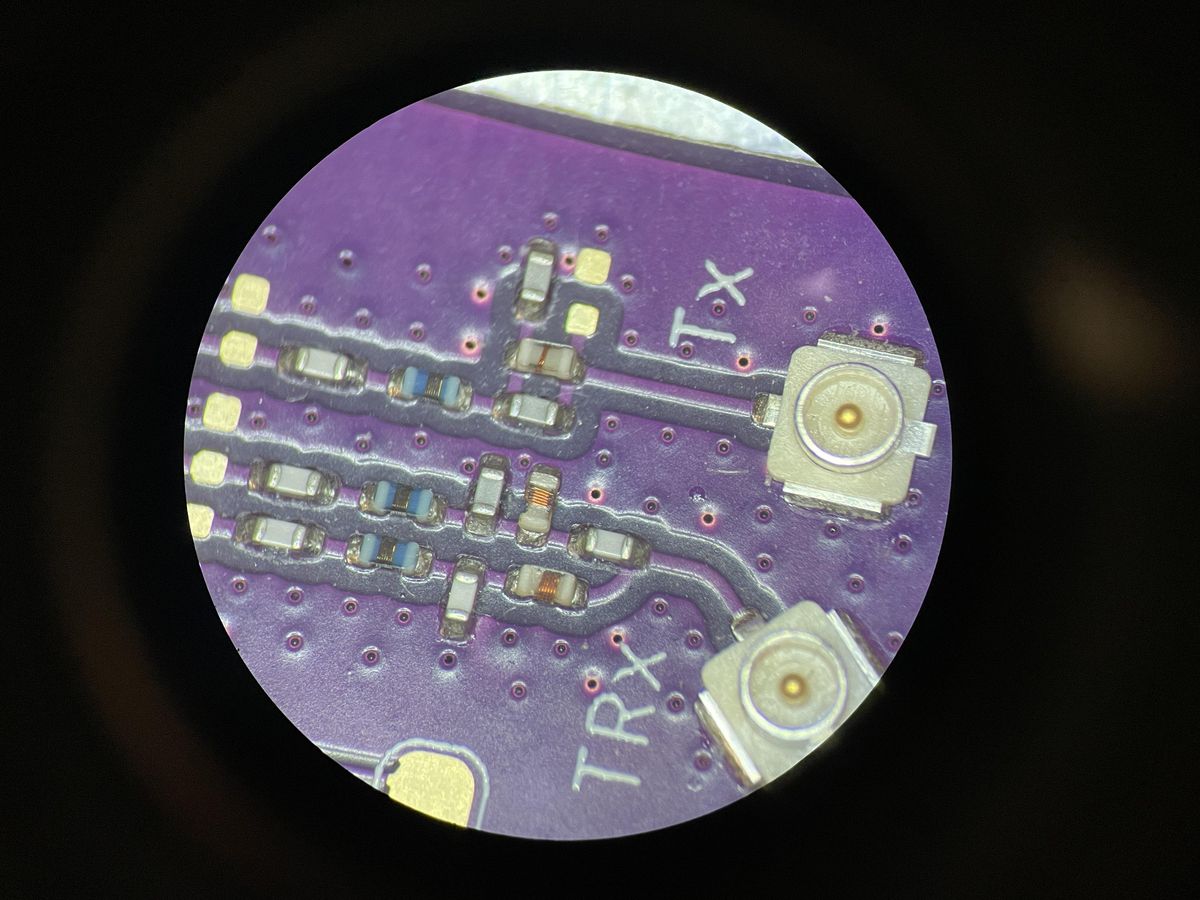
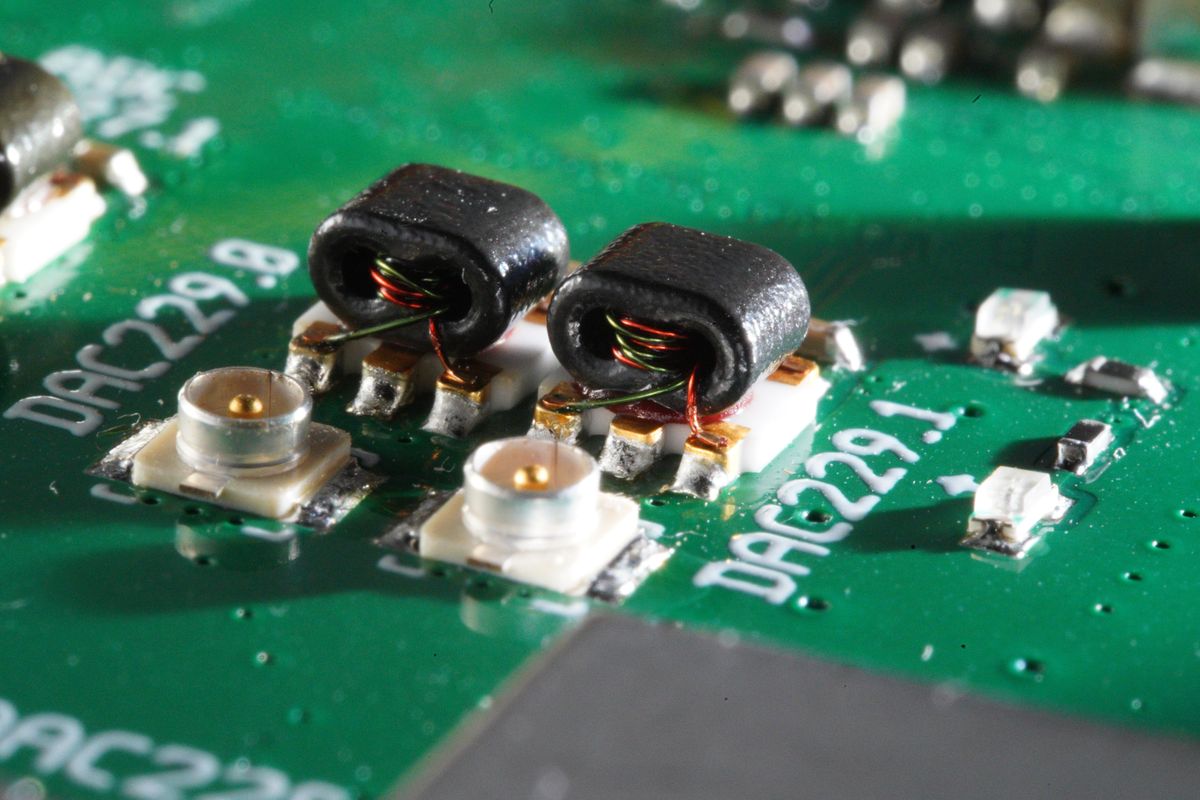
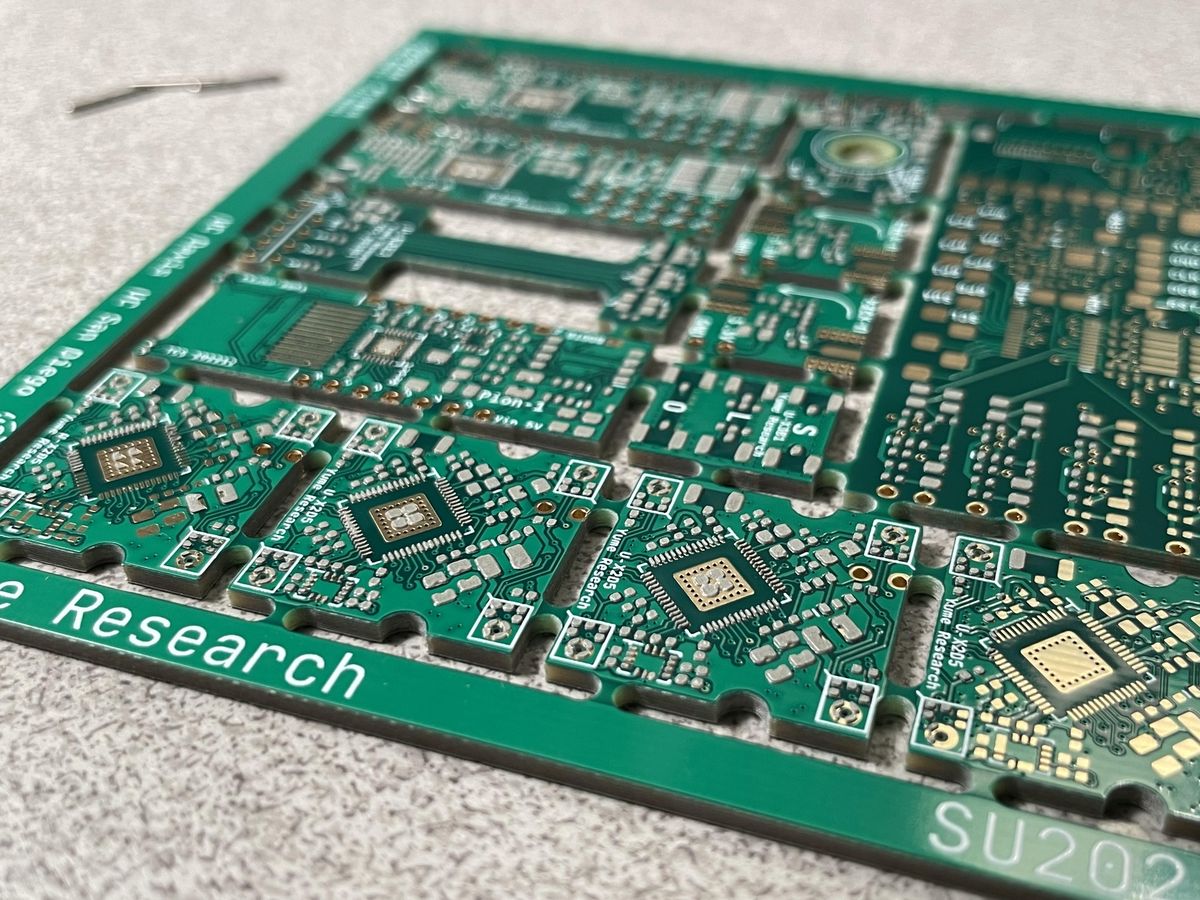
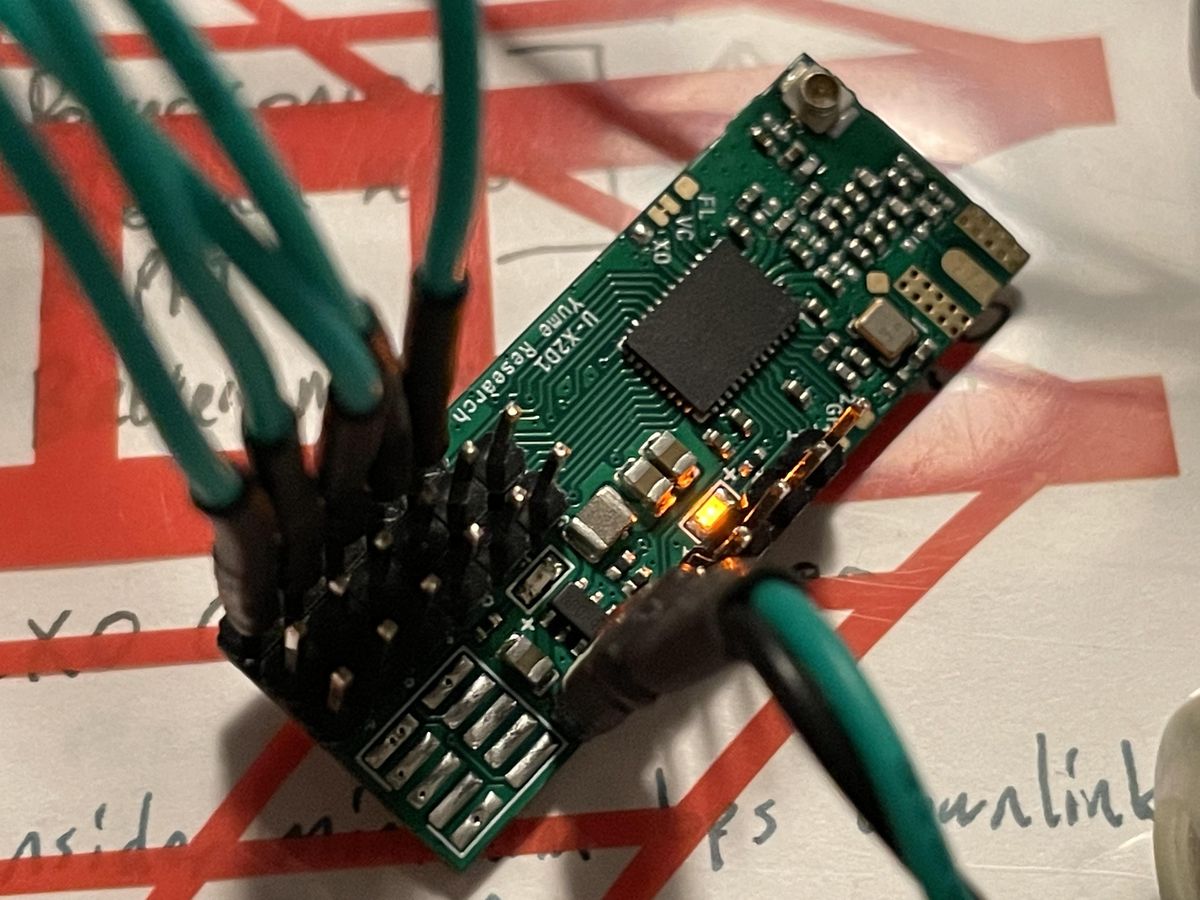
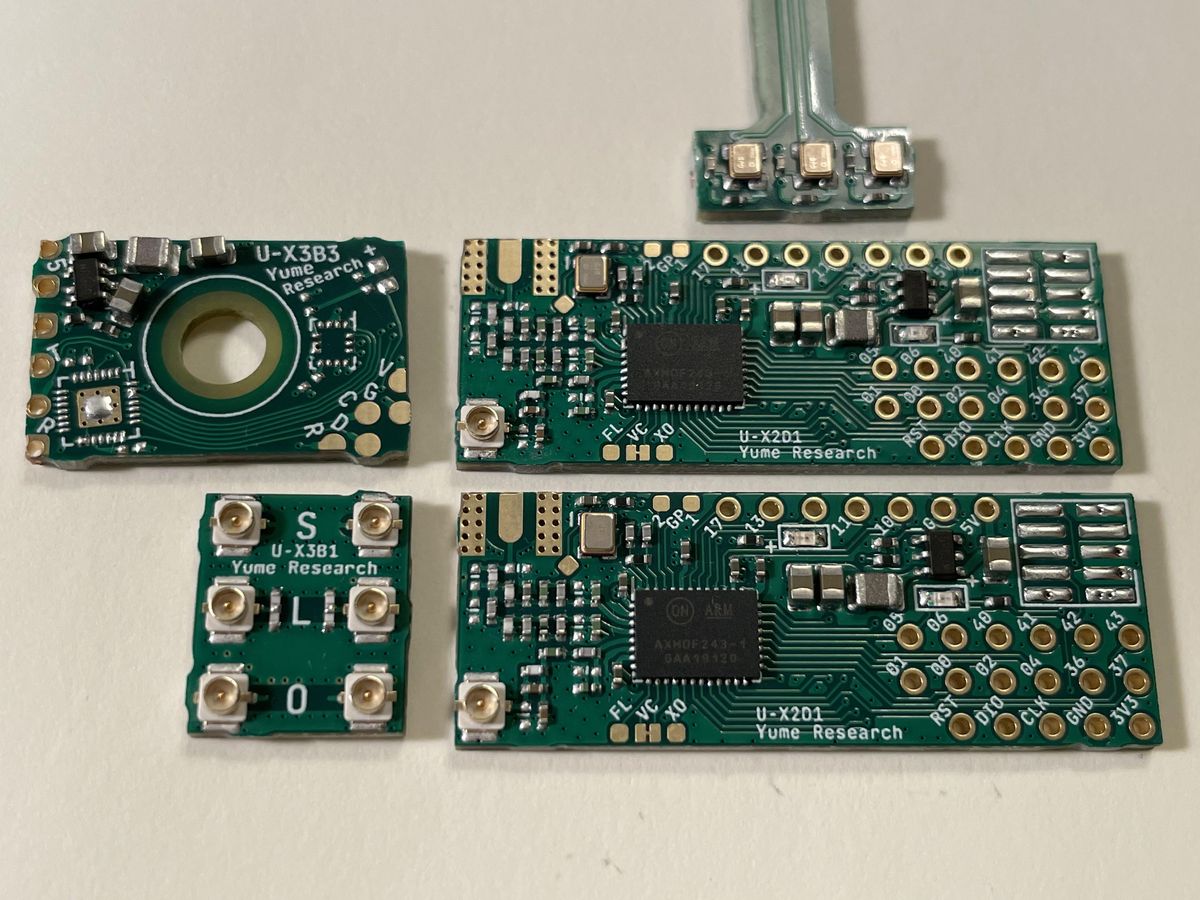
Flight computers, RF systems, high speed data converters, matching networks, all laid out, soldered, programmed and debugged by us. These photos are of boards we built.

Co-founder · CEO

Pranav Sehgal

Electromagnetics and phased-array engineer. His work covers antenna design, signal processing and machine learning, including atmospheric propagation research at the Naval Research Laboratory and a published IEEE paper on phased-array atmospheric sensing.

  • EducationMS Electrical Engineering, UC San Diego (Noiselab)
  • ResearchNaval Research Laboratory · Scripps Institution of Oceanography
  • PublicationIEEE, phased-array atmospheric sensing
Co-founder · CTO

Tim S.

Hardware engineer who built many projects, including a CubeSat's entire system architecture. At Amhara he leads Sandstone node design, from the core data processors to the swappable RF front-ends.

  • EducationMS Electrical Engineering, Carnegie Mellon · BS Electrical Engineering, UC Davis
  • ResearchFocus on high speed integrated circuits and data conversion, medical diagnostic equipment
  • FocusRF/mixed-signal hardware, embedded systems

Build it real

Hardware on the bench and on the range beats slides. We show working systems early.

Cost is a spec

We track price per node as closely as range or accuracy.

Earn the trust

Lab-grade rigor and flight-grade reliability, delivered at startup speed.

Build with us.

We're working with test partners and prime integrators, and we're talking with engineers who want to ship RF hardware.